
Residential License # 890459
Commercial License # 3667

Call Us Today!
Residential License # 890459
Commercial License # 3667
Call Us Today!
The cleanliness that follows tends to leave behind pure destruction, which may never treat the fire injuries or lead to dangerous naphthalene residue with odors or technical problems. A wrong cleaning ecosystem puts a strain on rehabilitation.
Besides, doing things hastily or not consulting with the proper professional will eventually cost you dearly, both in terms of safety and restoration in the long run. Home safety and health will always have the first importance, with proper treatment of smoke residue and air quality. For proper assistance, check this post from TurnKey Remediation.
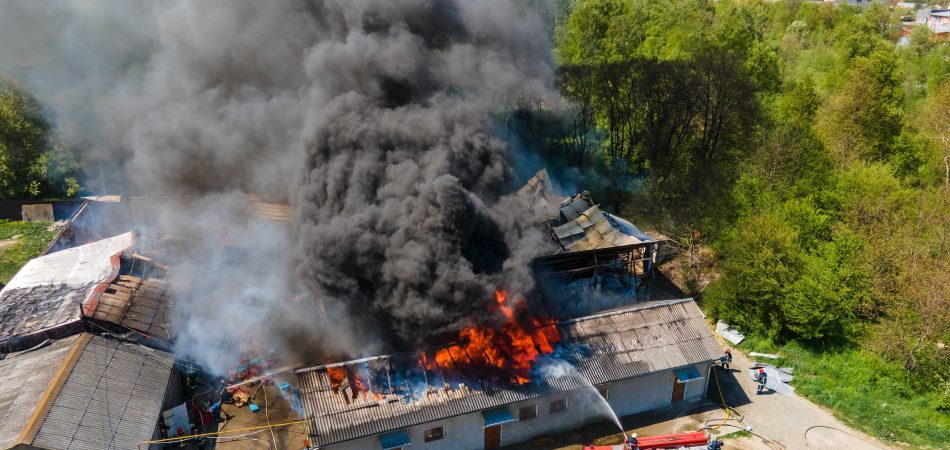
Fire damage is a bad experience, probably the worst of all instances. It affects more than 358,000 Americans every year in their homes. The emotional damage does not end with action immediately; smoke and soot don’t just wash away, but have to be taken care of quite systematically.
Personal Protection Equipment (PPE) is required for even a brief cleanup because of the threat from the detrimental particles. Improper cleanup often results in impaired structures and odors due to missing those less visible activities.
Open-air circulation becomes problematic during fire cleanup when soot blocks smoke from escaping. Mistakes in cleaning solutions then result in even worse damage and health risks, rendering professional help imperative. Certification ensures that restorers understand the different material reactions to fire damage and that hazardous items are properly discarded for safety.
Fire and smoke damage take months to get over, but doing so is no easy task. It can even make the process even more complicated with the following mistakes, which must be avoided for a safer and much faster restorat
 TurnKey Remediation