Residential License # 890459
Commercial License # 3667

Call Us Today!
Residential License # 890459
Commercial License # 3667
Call Us Today!
Mold can develop rapidly in damp, dark areas, creating significant health and structural hazards. Recognizing signs like musty smells, stained walls or ceilings, and unexpected allergy symptoms can prevent costly complications. Given the humid climate in New Orleans, professional remediation services from TurnKey Kitchen Remediation are essential for a thorough and lasting solution.
Mold is a fungus that grows in moist places and spreads through the air where spores reach moist surfaces. The most common areas include bathrooms, kitchens, basements, and HVAC systems.
While black mold is perhaps its most notorious variety in terms of health implications, others, such as Aspergillus and Cladosporium, are extremely damaging as well. Mold causes extensive organic damage to materials like drywall and wood, weakening their structures and discoloring them. Mold produces microbially volatile organic compounds, which have musty odors and result in poor indoor air quality.
Mold may be visible as soon as 24 to 48 hours after water has been exposed to the environment; thus, prompt action is critical to reducing health risks and loss of property. Recognizing the signs you need mold remediation services early can help prevent the spread and further damage.
When you experience unrelated allergy symptoms, such as dry and itchy eyes, a mold test may be necessary. In humid climates, mold can form, and its spores may worsen asthma or cause respiratory problems. Mold can also be detectable in other conditions, such as unpleasant odors, discoloration on walls, or skin irritants. Mold can be treated quickly to maintain a healthy home environment.
 Sneezing, itchy eyes, or a runny nose indoors may indicate mold. These symptoms often worsen in humid or poorly ventilated spaces. Addressing mold early can restore healthier air quality.
Mold spores aggravate asthma and respiratory conditions. Symptoms that improve outside the home suggest mold as a possible cause. A professional inspection can confirm the issue and offer targeted solutions.
Persistent fatigue or unexplained headaches may be linked to mold exposure. Mold-related poor indoor air quality can trigger these symptoms, especially in spaces that are chronically affected.
Mold spores can cause redness, irritation, and skin rashes when exposed to them directly. Mold-prone areas, such as bathrooms or basements, are often affected by these issues.
A persistent musty smell in damp areas signals concealed mold. Dehumidifiers or air fresheners may mask the smell temporarily, but professional remediation is needed to address the root cause.
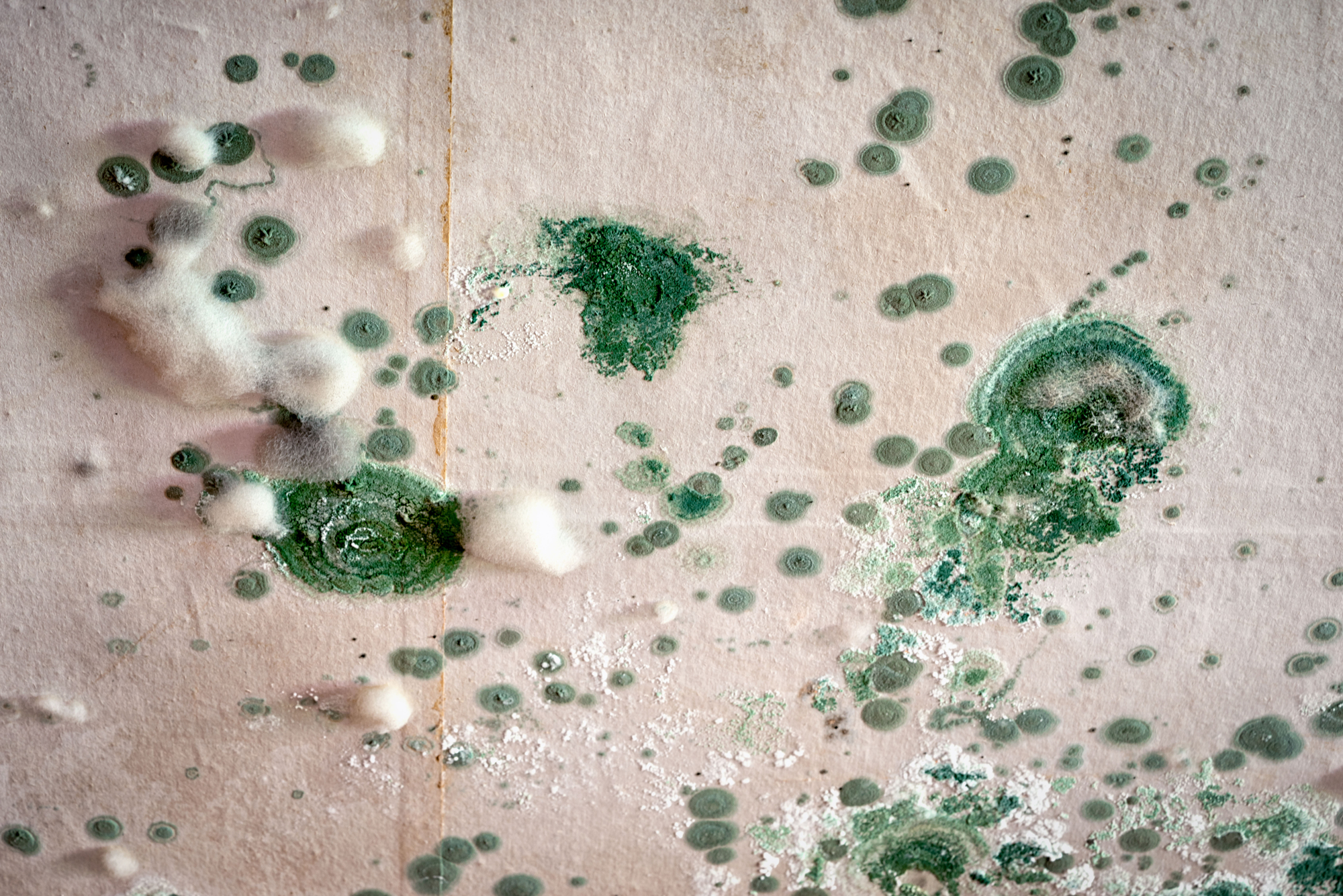
Dark spots, green patches, or white streaks are typically indications of mold growth. Examining these areas will help assess the extent of the problem.
Reports of allergies, odors, or health concerns from tenants or family members often point to hidden mold issues requiring immediate attention.
Leaky pipes, roofs, or appliances create ideal conditions for mold. Addressing leaks quickly helps prevent mold growth and long-term damage.
Indoor humidity above 60% encourages mold. Signs include condensation on windows or walls and a clammy atmosphere. Dehumidifiers and improved airflow can help control moisture.
Fabric and wood furniture, as well as carpets, are common targets for mold. Musty smells or visible discoloration in these items indicate mold contamination.
Bubbling or peeling paint often signals underlying moisture problems. Mold colonies may be growing behind the surface, necessitating professional inspection.
Persistent condensation suggests high humidity, which fosters mold growth. Addressing the moisture source is essential to preventing mold.
Flooded areas are prime locations for mold, even after water removal. Quick drying and professional treatment are necessary to mitigate risks.
Mold thrives in damp, poorly ventilated areas like bathrooms, kitchens, basements, and HVAC systems. High humidity or leaks make these spots ideal for mold. Regular cleaning, ventilation, and maintenance can help prevent growth.
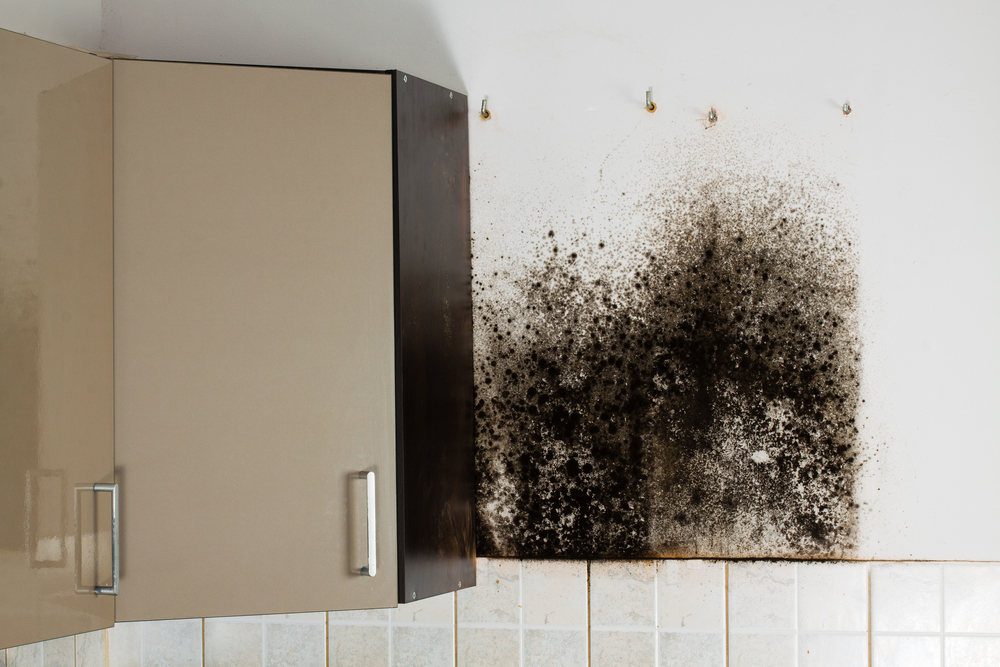 High humidity and frequent water use make these areas vulnerable. Use exhaust fans and clean regularly to prevent mold.
Poor ventilation and dampness in these areas require regular inspection and dehumidification.
Leaks and trapped humidity create mold-friendly conditions. Ensure proper insulation and fix leaks promptly.
Mold in ducts and on coils spreads spores throughout the home. Regular maintenance and cleaning help prevent this.
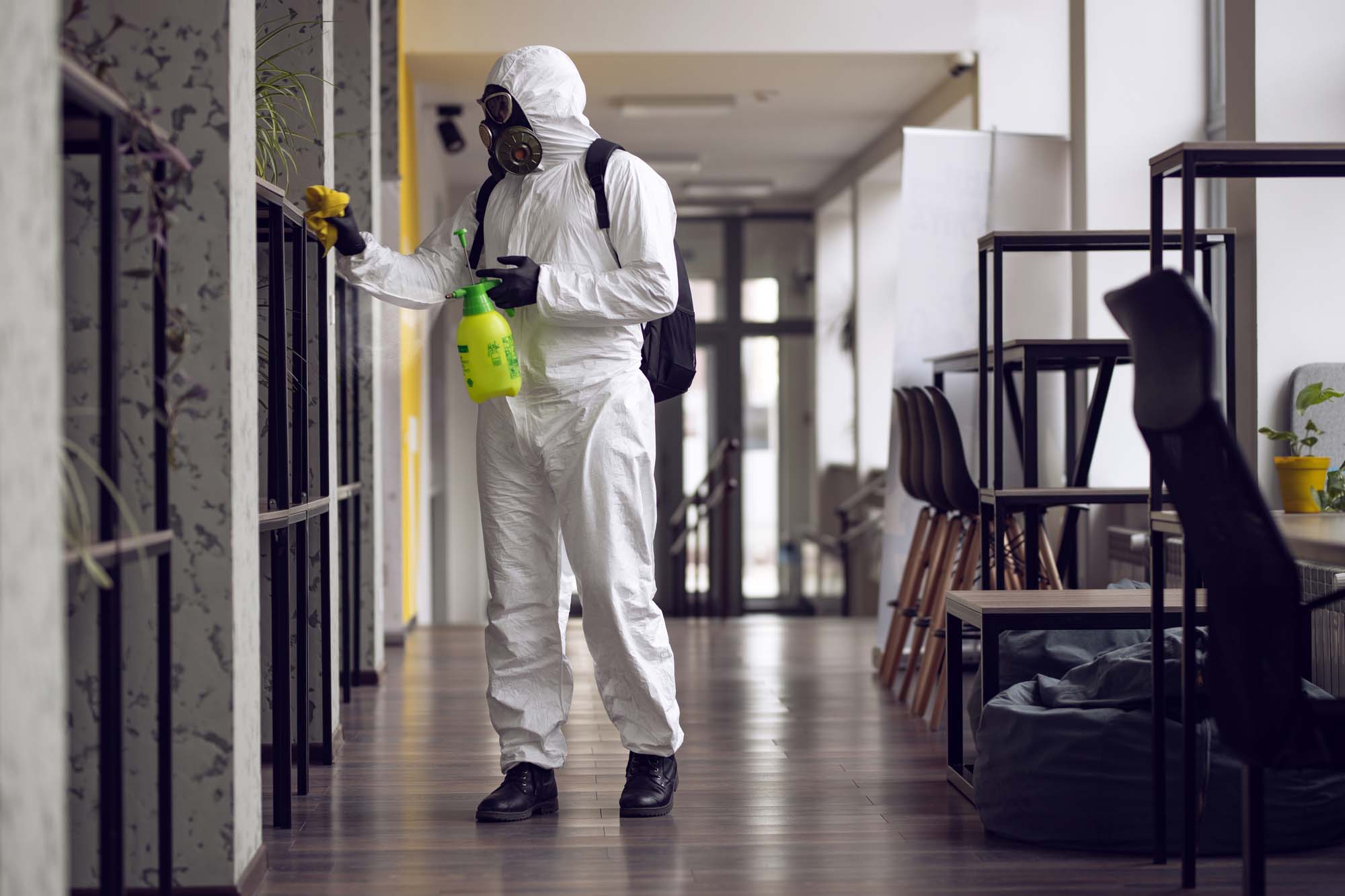
A professional mold inspection is more than what you can see, which includes hidden mold in walls, carpets, or air ducts with special tools. Experts will assess the spread of the problem and create a tailored plan to remove it effectively. They ensure that with certified techniques, the mold is gone for good, protecting your health and home.
Understanding the signs that you need mold remediation services is crucial for prompt and effective action.
Mold frequently hides in air ducts, beneath carpets, and behind walls. To find hidden growth, experts employ instruments like infrared cameras and moisture meters. Identifying hidden mold sources is essential for determining whether you need mold remediation services.
Professionals evaluate how far the mold has spread. Surface mold may require simple cleaning, while extensive growth might necessitate replacing affected materials.
Certified professionals adhere to stringent procedures, employing containment barriers, HEPA air purifiers, and EPA-sanctioned cleaning products. Effective remediation removes mold and stops its return, protecting health and property.
Mold removal begins with an inspection to find mold even where it has not otherwise gone. Workers remove contaminated material, disinfect and clean it up, then restore any damage. Mold-resistant solutions are employed to discourage its reappearance.
Professionals conduct a detailed evaluation, identifying visible mold and hidden growth with specialized equipment.
Barriers and negative air pressure systems isolate the affected area. Contaminated materials are safely removed and disposed of.
Air scrubbers eliminate airborne spores, and surfaces are cleaned using EPA-approved treatments. Treated areas are protected against future mold growth.
Damaged materials are repaired or replaced, and mold-resistant solutions are applied to prevent recurrence.
Moisture management is effective in preventing mold growth. Dehumidifiers, proper ventilation, and prompt repair of potential leaks are essential. Mold can be prevented in sensitive areas through a thorough examination and the use of appropriate materials.
If you’ve noticed musty odors, allergy symptoms, or signs of water damage, it might be time to take a closer look at your home. Mold can grow fast, but the right help can make all the difference. Contact us today for a thorough inspection and expert care to restore your home’s safety and comfort.

 TurnKey Remediation