Residential License # 890459
Commercial License # 3667

Call Us Today!
Residential License # 890459
Commercial License # 3667
Call Us Today!
Rain, wash, air dry, and clean the area from inspection through removal of soot and smoke: return home and property to pre-fire conditions. This includes structural repairs, smoke odor removal, and water damage caused by firefighting.
Our team at TurnKey Remediation is well-skilled in our craft, using specialized equipment engineered to work positively and durably for New Orleans’ geographic region. We work safety and efficiency first: assisting homeowners and businesses in recovery while accentuating the historic and real value of their properties.
Fire damage restoration is a process that does not just involve cleanup, as there are also hidden hazards: smoke odors, soot buildup, and structural damage. The end goal, making the place safe and functional again, basically falls within physical, chemical, and environmental repair from a disaster.
It comprises cleaning and repairing fire, smoke, or water damage in any affected area. From removal to loading and unloading, specialized equipment does all the dirty work. The process of restoration might require temporary tarping of damaged roofs where necessary and the careful handling of hazardous materials like lead or asbestos.
They can all seem so overwhelming, considering the dilemmas and distinctive decisions regarding fire recovery. With the early proactive measures made, a vast difference can exist in safety, action, and order restoration. These immediate concerns would be to ensure safety for all involved or to lay down some solid foundation for when the process begins.
Rehabilitation following a fire can be very overwhelming for the individual, and taking the right first steps can make a big difference between safety and recovery. First, confirm whether it is safe to return to your property, checking for possible structural damage or smoke hazards. Organize an emergency kit; important items are a flashlight and first aid supplies. Get professionals to assess any materials exposed to fire or smoke. Chimneys should also undergo regular inspections to help avert future fires.
Report the incident to the fire department and emergency services, since they are also trained to look for hidden dangers such as gas leaks. Call immediately a remediation company, and you will recover most of your things; doing so within the first 24-48 hours may save as much as 75 percent of your losses.
Before any cleaning begins, take photographs and videos to document damage so that it can be used for insurance purposes, particularly for recording structural damage and water damage. Good proof like this will show that such professionals can arrange for good restoration actions during the days and weeks to follow.
Fire damage assessment is essential for effective restoration and recovery. This process involves evaluating the damage from the fire and the water used to put it out.
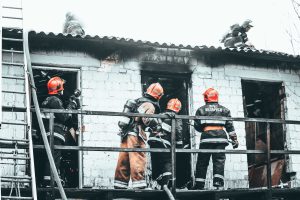
Rebuilding a property after fire damage requires careful planning to ensure structural integrity, aesthetic appeal, and safety.
Here’s a step-by-step breakdown:
The effort involved in restoration will begin with an extensive property inspection. Here, we will check on how bad the fire damage, smoke, and soot are.
Fire damage restoration indeed is more than just repairs to a property; it consists of deeply rooted specialized skills, tools, and knowledge of the emotional impacts on the affected. Thus, we start with a thorough inspection to get damage from fire, smoke, and soot, ensuring property safety.
This is an unfortunate period for homeowners; hence, we work with compassion while guiding them through the claims process by working closely with insurance companies while speeding up their benefits.
Our restorers have IICRC certifications and are well equipped to safely remove soot and smoke odor and every other condition of air quality importance. We use advanced tools like HEPA vacuums and ozone machines to clean and restore homes to their original condition.
Fire damage may disrupt lives, but our complete restoration solutions focus on making repairs safe and efficient. From soot cleanup to structural repairs, we do it all with care and expertise. That is our commitment: to help your recovery and to help rebuild your comfort and safety. Contact us today at TurnKey Remediation to begin restoring your environment to a safe, clean, and livable state.
 TurnKey Remediation